
Last Updated: November 17, 2026
Quick Summary
BPA free ceramic mugs replace synthetic polymers with an inert, fired material that will not leach into a hot drink, so your coffee tastes neutral and stays free of polymer contamination. We pair BPA and lead-free ceramic with small-batch roasted coffee for a cleaner daily brew.
- The global cups and mugs market reached $2.7 billion in 2025 and is projected to hit $4.0 billion by 2033.
- Research reported by the University of New Mexico Health Sciences Center found microplastic contaminants in hot drinks served in to-go cups.
- Look for a lead-free glaze and an honest description of what the mug is made from.
- BPA-free alone says nothing about lead, so look for both claims together.
- Check that the interior glaze is glossy and uncracked and that the handle feels solid, not hollow or thin.
Table of Contents
- Why BPA Free Ceramic Mugs Matter for Your Daily Brew
- Ceramic Mugs vs Plastic Cups: The Non-Toxic Difference
- How to Choose a Safe Ceramic Mug: Lead-Free and Built to Last
- Frequently Asked Questions
Why BPA Free Ceramic Mugs Matter for Your Daily Brew
The global cups and mugs market reached $2.7 billion in 2025, per Grand View Research's cups and mugs market estimate, and is projected to hit $4.0 billion by 2033 at 5.4% annual growth. BPA free ceramic mugs matter because they replace a synthetic polymer with an inert, fired material that will not leach into a hot drink. At Veteran Beans, we pair BPA and lead-free ceramic with small-batch roasted coffee.
Ceramic Mugs vs Plastic Cups: The Non-Toxic Difference
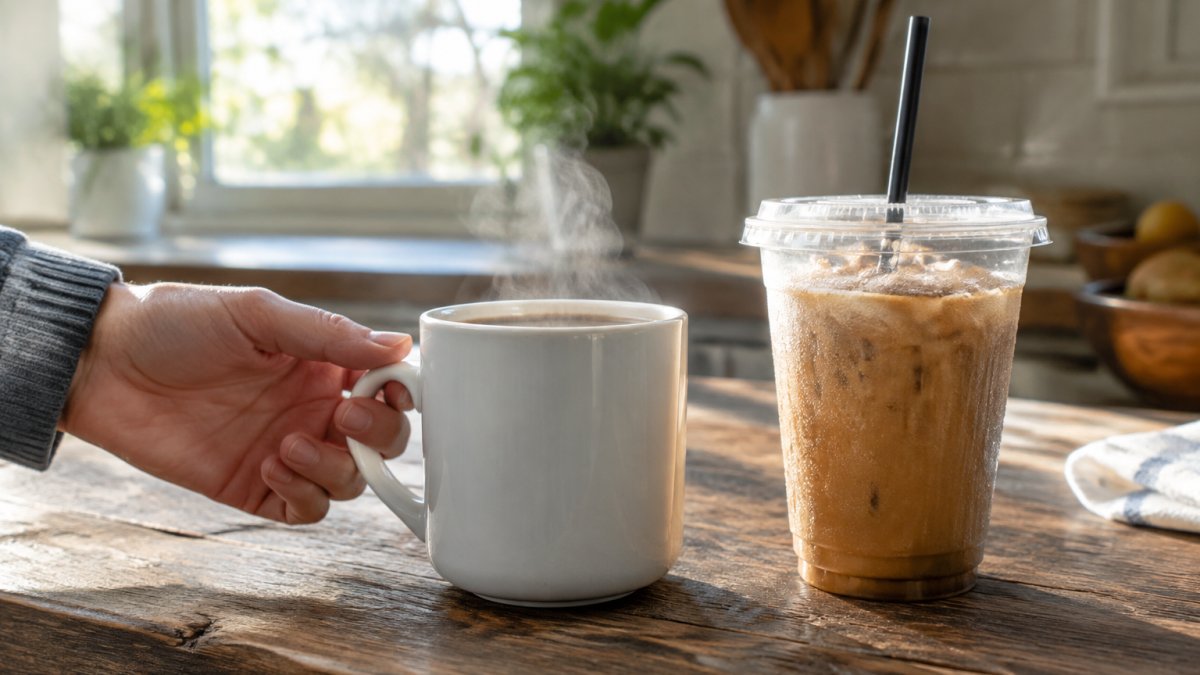
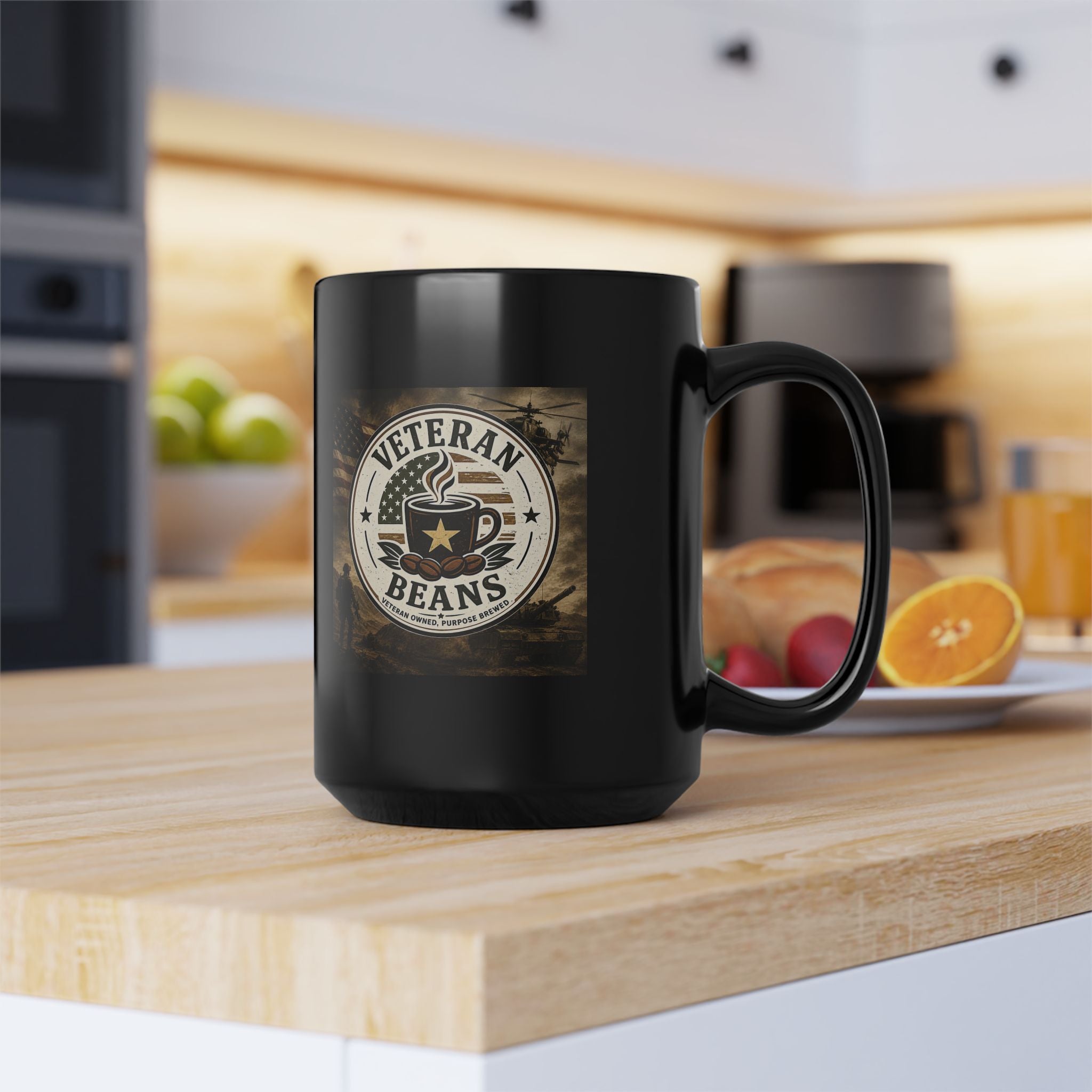
Ceramic mugs are fired clay with a vitrified glaze; plastic cups are molded synthetic polymers, which drives heat retention, taste neutrality, and surface behavior. Research reported by the University of New Mexico Health Sciences Center found microplastic contaminants in hot drinks served in to-go cups, undercutting the assumption that "BPA-free plastic" solves the problem. Our Signature Black Mug (15oz) is a straightforward place to start.
| Feature | Ceramic Mug | Plastic Cup | Stainless Steel |
|---|---|---|---|
| Heat retention | High | Low | Very high |
| Flavor neutrality | Inert glaze | Can carry aftertaste | Can taste metallic |
| Leaching risk | Glaze-dependent | Polymer-dependent | Minimal |
How to Choose a Safe Ceramic Mug: Lead-Free and Built to Last
Choosing a safe ceramic mug comes down to checking the glaze, the body, and the labeling. Look for a lead-free glaze and an honest description of what the mug is made from. "BPA-free" alone says nothing about lead, so look for both claims together; our guide on how to choose durable ceramic coffee mugs for gifts covers durability in more detail.
- Glaze labeled lead-free and cadmium-free
- Interior glaze glossy and uncracked
- No metallic paint on the rim or inside
- Microwave and dishwasher safe per the maker
- Handle feels solid, not hollow or thin
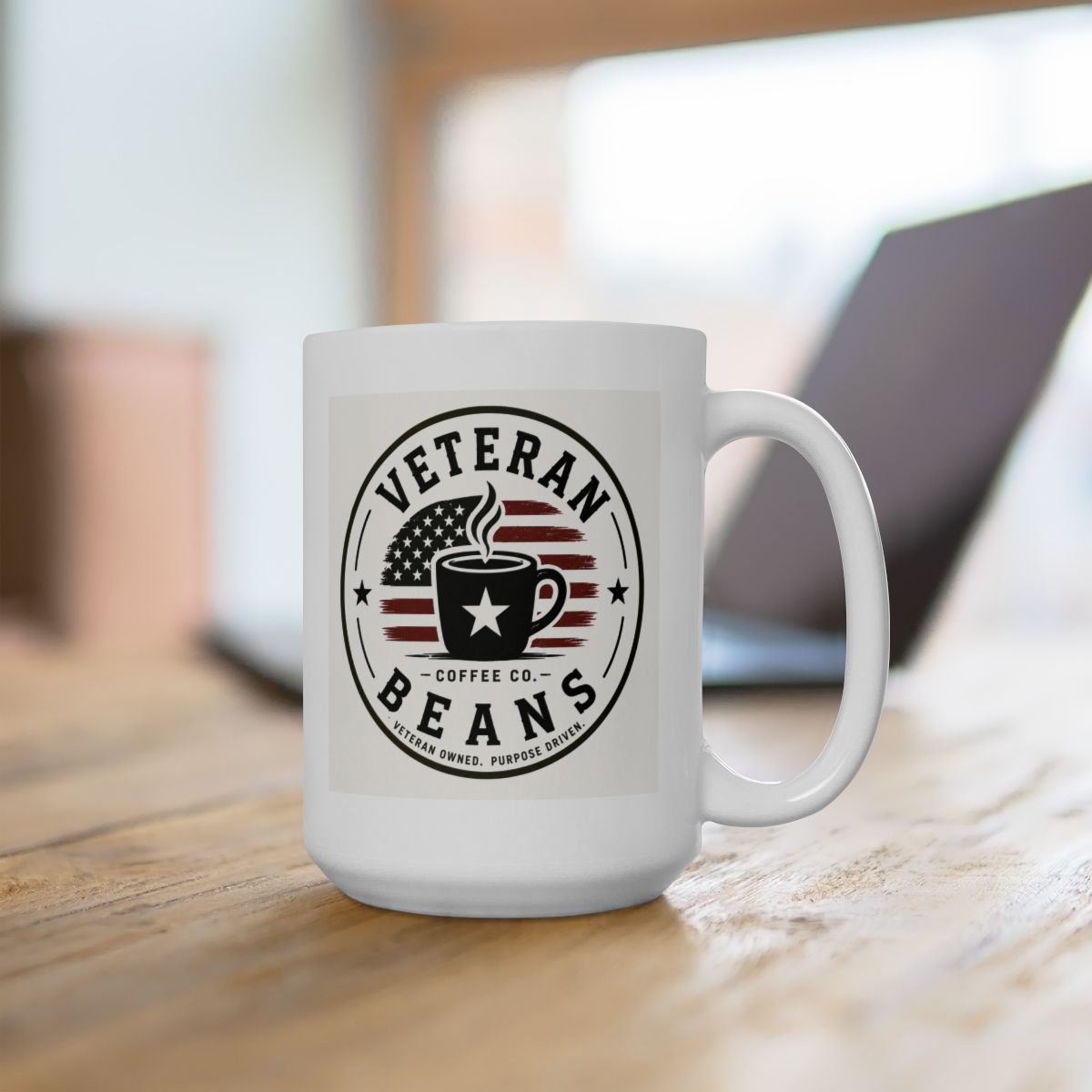
Coffee tastes better in a mug you trust, and a mug you trust starts with materials you can name. Veteran Beans roasts in small batches and pairs every bag with BPA and lead-free ceramic drinkware that is microwave and dishwasher safe, so the ritual stays simple from first pour to last sip. Browse the Ceramic Mug, 15oz and find the cup that fits your daily brew.
Frequently Asked Questions
Do ceramic mugs leach chemicals?
Quality ceramic mugs fired at high temperatures form a vitrified, inert surface that does not react with hot coffee or tea. The risk comes from low-quality glazes that may contain lead or cadmium, which is why choosing lead-free ceramic mugs from a reputable source matters. Veteran Beans mugs are BPA and lead-free.
Are BPA free ceramic mugs automatically lead-free?
No. BPA-free refers only to bisphenol A in plastics; a ceramic mug could still have a glaze containing lead or cadmium. Look for a brand that explicitly states both BPA-free and lead-free, like Veteran Beans. This is a key step in how to choose a safe ceramic mug for daily use.
What are the downsides of using ceramic mugs?
Ceramic mugs can chip or crack if dropped, and sudden temperature changes may cause thermal shock. They are also heavier than plastic cups. However, for most coffee and tea drinkers, the flavor neutrality, heat retention, and non-toxic material make best non-toxic coffee mugs a worthwhile trade-off.
